Climate Investment Platform (CIP) has closed a $3 billion growth fund, with GMF II having committed $1.6 billion across nine investments. The fund represents significant capital mobilization for climate-related ventures and technologies.
The UK is introducing a Carbon Border Adjustment Mechanism (CBAM) that will significantly impact business sustainability strategies. A 45-minute masterclass on September 15, 2026 will help businesses understand the new regulations and prepare for compliance.
The article argues that redirecting corporate profits from UK summer live events toward nature restoration could be as impactful as changing consumer behavior. Chris Johnson, co-founder of Shambala Festival, advocates for systemic change in how profits are distributed rather than focusing solely on individual consumption choices.

Re:wild and the Bezos Earth Fund have launched the Phoenix Species Project, committing $200 million combined ($100 million each) to recovery efforts for 100 critically endangered and extinct-in-the-wild species globally. This conservation initiative aims to provide crucial funding for species preservation and restoration projects worldwide.

Brookfield and La Caisse have completed their acquisition of Boralex, a Canadian renewable energy developer, resulting in the company's delisting from the Toronto Stock Exchange next week. This transaction consolidates ownership of a major clean energy producer under new management.
Europe's hydrogen market is experiencing setbacks with projects stalled in the feasibility phase, according to the Energy Industries Council. The slowdown is attributed to lower-than-expected demand for hydrogen as a clean energy solution. This delay threatens Europe's hydrogen development timeline and climate transition goals.
China's wafer prices have remained stable as the photovoltaic industry observes preliminary indicators of upstream market stabilization. OPIS provides a weekly market analysis tracking price trends in the global solar photovoltaic sector.
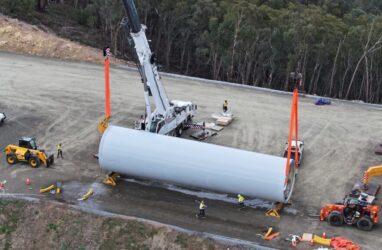
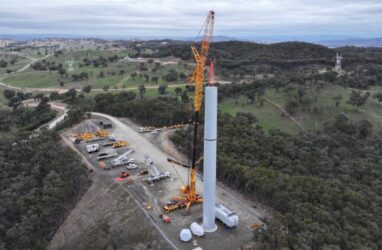
A podcast featuring CEFC boss Ian Learmonth discusses how green banking mechanisms may facilitate major wind energy projects in the coming year. The episode focuses on Tomago's commitment to achieving 100% renewable energy and examines the financial dynamics of utility company profits in the energy transition.

Electric vertical takeoff and landing (eVTOL) aircraft startup Joby has acquired a defense company for approximately $500 million. This acquisition signals potential growth and validation for the eVTOL sector, though questions remain about whether these companies can achieve commercial viability.
VodafoneThree has launched a four-year procurement process with Abatable to source carbon removals from nature-based and engineered projects within the UK. This initiative is part of the telecoms operator's broader climate strategy to offset its carbon emissions. The move represents corporate action toward meeting climate commitments through investment in domestic carbon removal solutions.

France is extending its C3IV green industry tax credit for 3 years to support cleantech investments across battery, wind, solar, and heat pump value chains. This extension is part of France's reindustrialization strategy and is projected to support approximately 40 projects by 2030.
The Clean Energy Finance Corporation (CEFC) chief indicates that funding arrangements for renewable energy projects to power the Tomago aluminium smelter's green transition are still being finalized. While the deal is expected to facilitate major wind projects, the financial details remain unresolved.

Elon Musk received compensation 2.5 million times higher than the average Tesla worker in 2025, making him the highest-paid CEO. This extreme pay disparity occurred despite Tesla experiencing significant profit declines during his tenure as CEO.

A geothermal lease parcel in New Mexico sold for a record-setting $701 per acre in June, reflecting increased bidder competition for federal energy leases. The Bureau of Land Management is capitalizing on this momentum with another lease sale scheduled for Utah on August 18. This trend suggests growing market interest in geothermal energy development on federal lands.

BloombergNEF analysis reveals that global companies face $1.4 trillion in carbon price exposure over the next decade as carbon markets continue to mature. This significant financial burden reflects the growing cost of carbon emissions as pricing mechanisms become more established worldwide.
Citibank has expanded its $1 trillion sustainable finance commitment to include nuclear energy and nature-based solutions in its definition of sustainable investments. This broader categorization allows the bank to count a wider range of projects toward its environmental pledge. The move reflects evolving perspectives on what qualifies as climate-positive financing.
A Wood Mackenzie report identifies an 'electric shock' scenario where fossil fuel market volatility could accelerate global electric vehicle adoption faster than currently projected. The scenario would result from a combination of geopolitical disruptions and technological advancements creating favorable conditions for EV market growth.

A new study reveals that companies can significantly reduce their reported carbon footprint by up to 50% simply by changing their accounting methodology, rather than through actual emissions reductions. The research highlights how differences in accepted carbon accounting standards make it difficult to distinguish genuine climate progress from accounting adjustments. This finding raises concerns about the reliability of corporate climate commitments and supply chain emissions reporting.

VodafoneThree has issued a request for proposals (RFP) to identify UK-based carbon removal projects that can offset 24,000 tonnes of CO2 equivalent. This initiative represents a corporate effort to address carbon emissions through nature-based or technological carbon removal solutions within the United Kingdom.
Robert Reich argues that AI development is being driven by oligarchic interests without democratic input, warning of dangers including job losses and increased inequality. The article cites recent US economic data showing job losses and slowed wage growth, questioning why society is passively accepting an AI agenda shaped by powerful corporate interests rather than making deliberate choices about the technology's future.
UK water regulator Ofwat has approved a £3.4bn infrastructure and service upgrade package proposed by water suppliers across England and Wales. The approval is expected to result in further increases to consumer water bills. The investment aims to modernize water infrastructure and improve services.

The Carrizo/Comecrudo Tribe received millions in climate funding and gained a prominent platform at the United Nations based on claims about their indigenous heritage and environmental stewardship. The article suggests that the climate movement failed to adequately verify the tribe's historical narrative, instead accepting their story at face value. This raises questions about due diligence in climate funding and the vetting of organizations receiving support and international recognition.
Rising olive oil prices are masking deeper problems facing Mediterranean farmers, including climate change impacts, soil degradation, and commodity market pressures. The article examines how these interconnected challenges threaten the viability of olive farming despite market demand. Regenerative farming practices are presented as a potential solution to build long-term resilience in the sector.
Northland offshore wind project experienced reduced second-quarter earnings due to lower-than-expected wind resources. The decreased wind conditions directly impacted both production output and revenue generation for the wind energy facility.
A Green Alliance report argues that reducing UK food imports by half and increasing domestic fruit and vegetable production could generate £1.9 billion for UK farms. The initiative would deliver multiple benefits including economic growth, improved food security, and enhanced climate resilience through reduced transportation emissions and local food system strengthening.

An investigation reveals how the Carrizo/Comecrudo Tribe received millions in climate funding despite unverified claims of Indigenous identity. The case highlights vulnerabilities in the climate movement's validation processes and raises concerns about how such issues can undermine both Indigenous communities and climate action credibility.
Tomago Aluminium Smelter has secured a $2.5 billion clean energy power purchase agreement with federal and NSW governments for 10 years, extending operations to 2038. The agreement will utilize solar, wind, and pumped hydro energy sources to decarbonize the facility's operations.
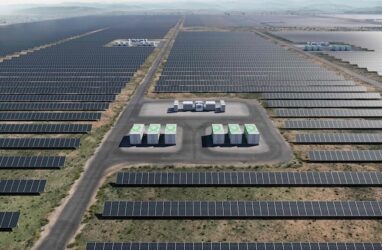
Edify Energy has achieved financial close on two solar and battery hybrid projects with backing from 14 local and national lenders. This financing milestone represents progress in scaling renewable energy infrastructure combining solar generation with battery storage capabilities.

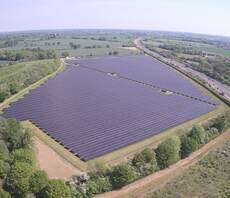
Triodos Bank has provided a £4.1 million loan to finance a 10MW solar farm in Essex developed by Fair Play Clean Energy. The financing structure is designed to enable the developer to recycle capital into future renewable energy projects, supporting continued renewable expansion.

A Carbon Brief analysis reveals that the UK government's proposed consultation to weaken electric vehicle targets could cost consumers £3 billion annually by 2030. The policy change would necessitate importing an additional 17 million barrels of oil in 2030, increasing net oil imports by 8%, undermining the UK's climate and energy independence goals.
Edify Energy has achieved financial close on two hybrid solar projects in Far North Queensland, combining Ganymirra and Majors Creek solar power stations. The integrated facility will generate 360 MWp of solar capacity paired with 1,200 MWh of lithium-ion battery storage, enhancing renewable energy capacity and grid stability in the region.
Squadron Energy, led by Andrew Forrest, has secured a $2.7 billion refinancing deal backed by 15 banks. The refinance provides increased flexibility for battery energy storage systems (BESS), hybrid projects, and construction funding. This financing move enables the renewables company to expand its renewable energy portfolio.

Bloomberg NEF modeling shows that thousands of companies face approximately $1.4 trillion in carbon price exposure over the next decade due to Emissions Trading Systems (ETS) compliance costs. The cost of carbon allowances alone is projected to reach $95.8 billion in 2026. This analysis highlights the significant financial burden that mandatory carbon pricing mechanisms will impose on businesses globally.

Urban heat islands are creating severe health risks globally, with tropical cities facing disproportionate danger due to existing heat, poverty, and lack of cooling infrastructure. An anticipated 2026-2027 El Niño event threatens to exacerbate these conditions and endanger millions of vulnerable urban residents in tropical regions. While solutions exist, many affected cities lack the financial resources to implement them.

Research indicates heatwaves could cost the UK £25.6bn annually by 2030. The UK Sustainable Investment and Finance Association proposes expanding green mortgages as a financial mechanism to help households adapt to climate-related risks. This approach links climate adaptation with housing finance policy.
A large four-hour battery storage project has achieved financial close after being acquired by a global owner-operator, clearing previous legal challenges from distant objectors. The project is now moving forward to the construction phase. This represents progress in battery energy storage infrastructure development.

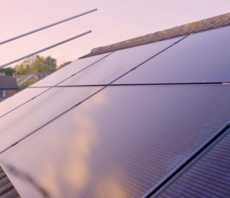
Octopus Energy has distributed £100 million in payments to UK households with solar panels that export excess power back to the grid. The energy company reports increasing demand for solar installations as households seek financial returns while contributing to clean energy production during the UK's fifth heatwave of 2024.

The Massachusetts Pension Reserves Investment Management Board (MassPRIM) has completed a review examining how active equity managers assess climate-transition risk in high-emitting companies and incorporate those insights into investment decisions. The Sierra Club welcomes the review and emphasizes the need for accountability in the selection of investment managers based on climate risk evaluation. MassPRIM plans to use the review's findings to inform manager-quality evaluations and selection processes.
Corpus Christi is holding a public referendum on a citizen-led petition to increase water prices for industrial facilities during drought conditions. Despite recent reservoir recovery, the city council is moving forward with the ballot measure, though it faces potential legal challenges before the November election.
Australia's public hospitals could save millions in energy costs by transitioning from gas to electric systems. The financial benefits of this upgrade are significant, but swift government action is necessary to realize these savings. This shift would also support climate goals by reducing fossil fuel dependency in the healthcare sector.

Weakening the UK's Zero Emissions Vehicle Mandate would result in significant costs for drivers, estimated at £3 billion annually by 2030. The change would also increase UK oil imports and greenhouse gas emissions according to Carbon Brief analysis.

Great Britain's grid operator is expected to pay millions for backup electricity during a near-total solar eclipse on Wednesday that could eliminate solar power generation. The eclipse coincides with the fifth summer heatwave, which is increasing electricity demand for air conditioning and cooling. The government must secure emergency power supplies to prevent grid shortfalls caused by the sudden loss of solar capacity.
Unable to provide summary - no article content provided beyond title and excerpt placeholder. The title suggests discussion of CEO backgrounds and corporate financing rather than climate-specific content.
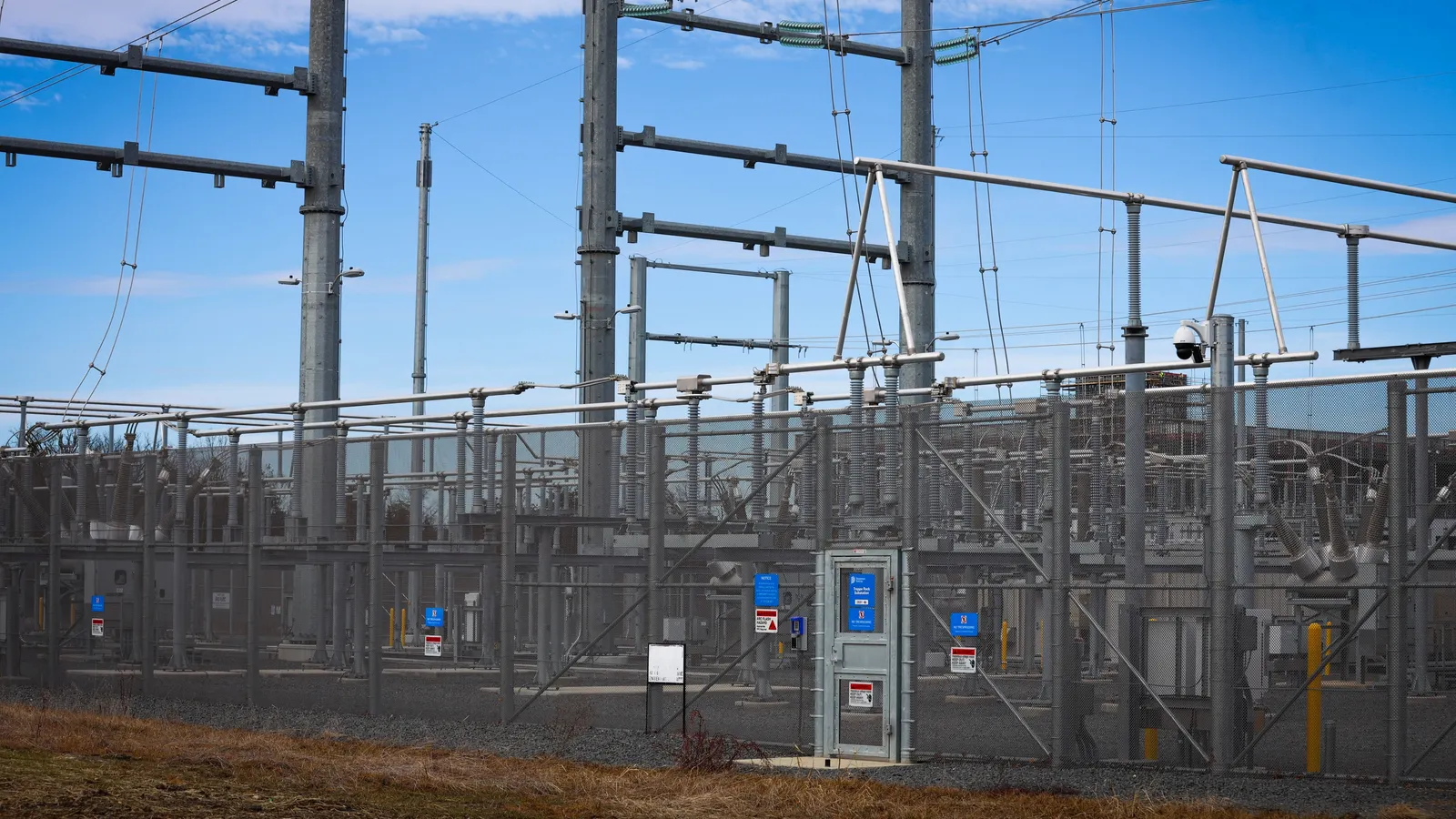
Virginia's State Corporation Commission has ordered Dominion Energy to directly assign some transmission costs to data centers rather than spreading them across all ratepayers. The commission is considering whether this policy should extend to upstream transmission costs as well in a future regulatory proceeding.

Metal Morph, a London-based company, has secured £700K in pre-seed funding led by Sustainable Ventures and Green Angel Ventures to develop technology for recovering aluminium and chemicals from wastewater. The funding round also includes participation from Aqcelerator and Found Capital, supporting the company's mission to extract valuable materials from industrial waste streams.

The UK government's proposed consultation on weakening electric vehicle targets could result in significant financial costs to consumers, estimated at £3 billion annually by 2030. Reduced EV adoption targets would likely slow the transition away from fossil fuel vehicles and increase long-term consumer expenses.
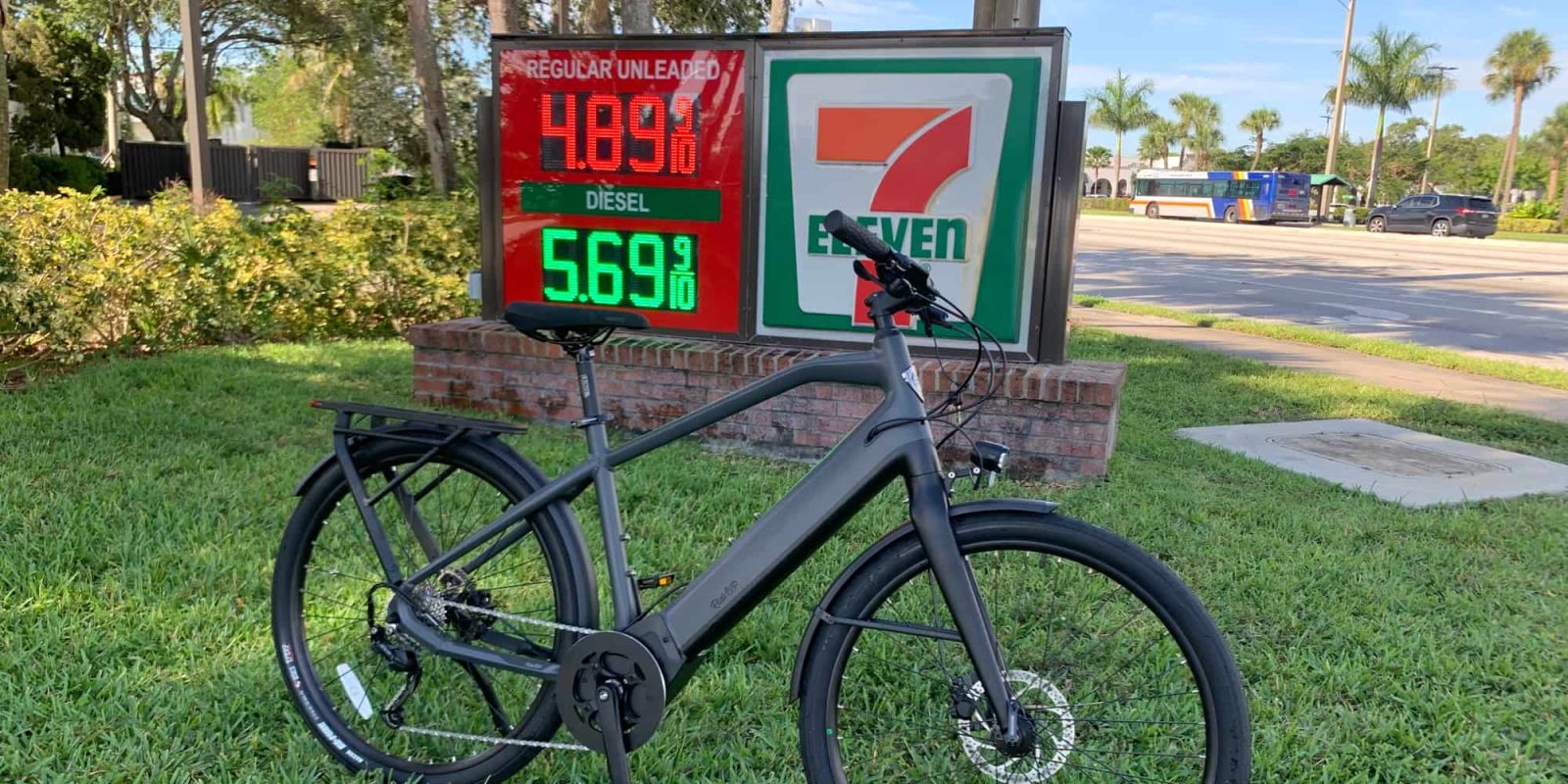
US government officials warn that gas prices are expected to rise further due to geopolitical tensions disrupting global oil supply around the Strait of Hormuz. The article suggests e-bikes as a solution for consumers to reduce gasoline consumption and save money amid rising fuel costs.

Australia's largest aluminium smelter is receiving $2.5 billion in funding to transition from coal-powered operations to renewable energy sources like wind and solar. The facility will function as a giant battery to help balance the grid during the energy transition. This deal aims to resolve obstacles in Australia's broader energy transition efforts.

Research shows that more than half of homeowners would support using mortgages to finance climate resilience upgrades such as shading, cooling, insulation, ventilation, and solar panels. This approach could help protect homes from extreme weather while spreading the financial burden of adaptation measures over time. The finding suggests mortgage financing could be a viable mechanism to increase adoption of climate-resilient home improvements.

The UK Government is introducing a scheme to offer discounted energy bills to communities hosting grid infrastructure projects, such as electricity pylons. Households in affected areas could save up to £2,500 over the next decade, compensating them for hosting essential energy infrastructure.